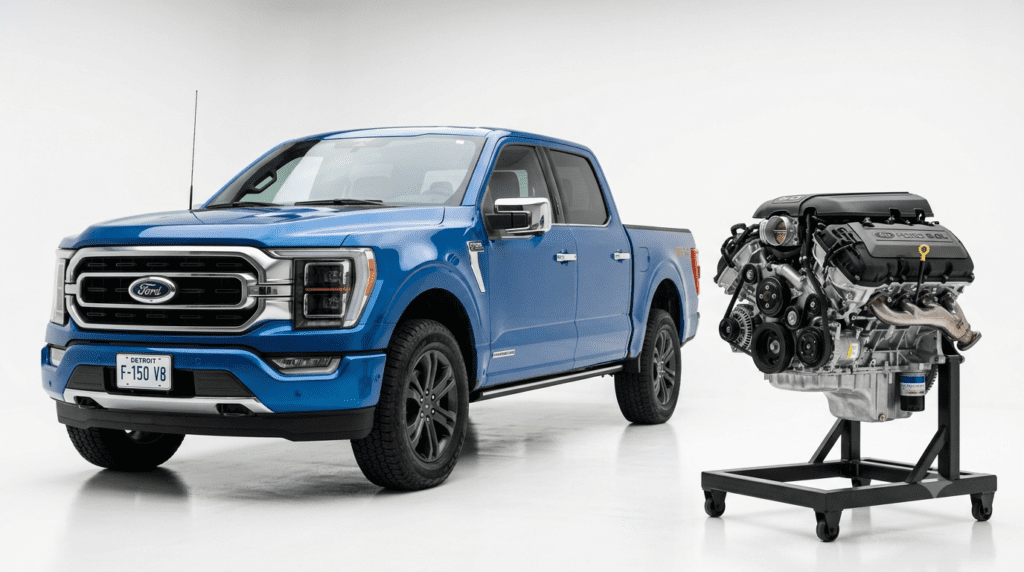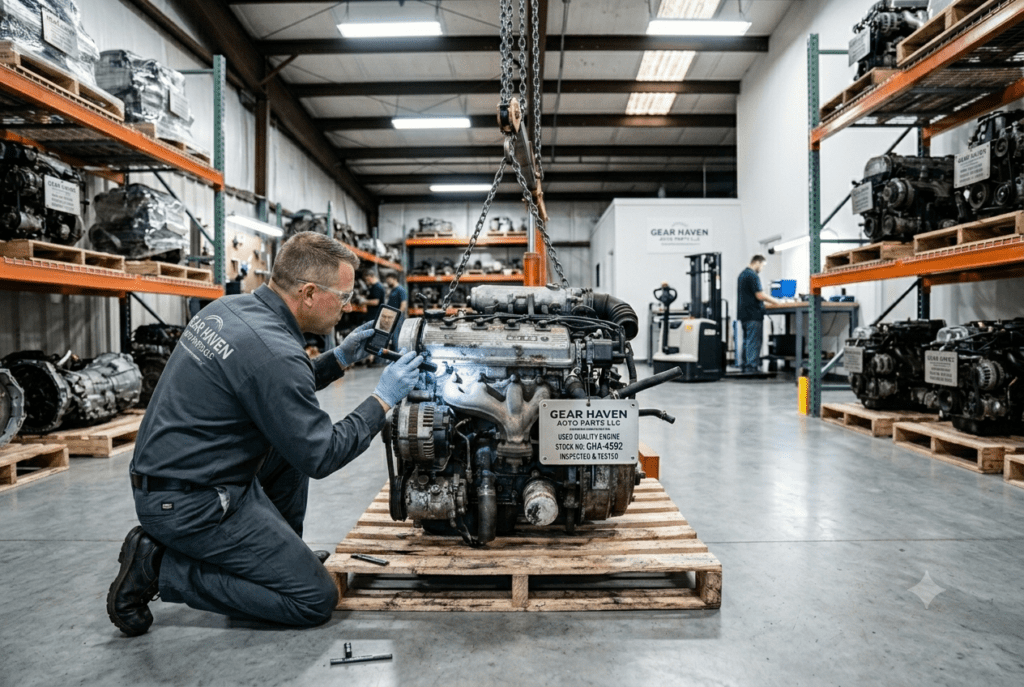
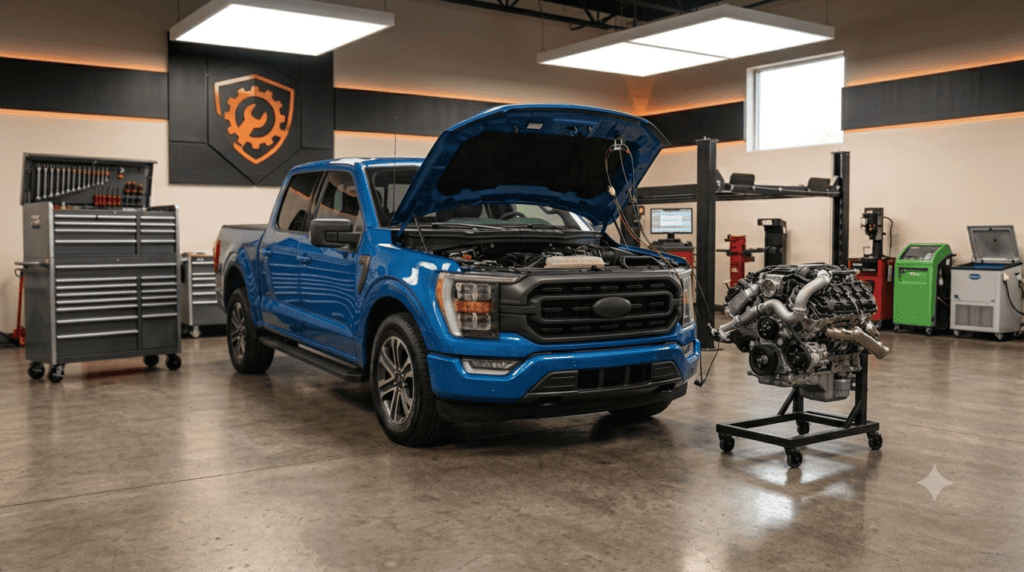
Common Ford F-150 engine problems can range from relatively manageable sensor, ignition, or cooling-system issues to serious internal damage that may require a complete engine replacement. The exact problem depends heavily on the truck’s model year, engine family, mileage, maintenance history and operating conditions.
Ford has offered the F-150 with several engines, including the 4.6L V8, 5.4L Triton V8, 3.7L V6, 3.3L V6, 2.7L EcoBoost, 3.5L EcoBoost, 5.0L Coyote V8, 6.2L V8 and 3.0L diesel. Each engine has its own design, maintenance requirements, and potential failure points.
A rattling noise during startup does not automatically mean the entire engine has failed. Likewise, oil consumption, overheating or repeated misfires should not be ignored simply because the truck continues to run. Early diagnosis can sometimes prevent a repairable problem from becoming a complete engine failure.
This guide covers warning signs and commonly discussed Ford F-150 engine concerns, including timing-system noise, cam phaser wear, oil consumption, turbocharger issues, overheating and internal engine damage. It also explains when repairing the original engine may make sense and when a quality OEM used engine may be the more practical solution.
To check replacement availability, visit the Used Ford F-150 Engine for Sale page or call Gear Haven Auto Parts LLC toll-free at (844) 410-8406.
Quick Guide to Common Ford F-150 Engine Problems
| Engine problem | Possible symptoms | Potential seriousness |
|---|---|---|
| Timing-chain or cam phaser wear | Startup rattle, rough idle, fault codes | Moderate to severe |
| Excessive oil consumption | Low oil level, blue smoke, oil warning | Moderate to severe |
| Ignition misfire | Shaking, loss of power, flashing engine light | Minor to severe |
| Turbocharger or boost problem | Low power, smoke, whistle, boost codes | Moderate to severe |
| Cooling-system failure | High temperature, coolant loss, steam | Severe if ignored |
| Oil-pressure loss | Warning light, ticking, knocking | Severe |
| Internal bearing damage | Deep knocking, metal in oil | Usually severe |
| Head-gasket or cylinder-head damage | Overheating, white smoke, coolant loss | Severe |
| Carbon or intake deposits | Rough idle, hesitation, efficiency loss | Usually repairable |
| Sensor or electronic fault | Warning light, reduced-power mode | Usually repairable |
These symptoms can overlap. A complete diagnosis should be performed before assuming the engine requires replacement.
Common Ford F-150 Engine Problems by Engine Family
5.4L Triton V8 Engine Problems
The 5.4L Triton was widely used in older F-150 trucks. Many remain in service, but age, mileage and maintenance history now play a major role in their condition.
Potential concerns can include:
- Timing-chain guide wear
- Cam phaser noise
- Variable cam timing faults
- Oil-pressure-related valvetrain problems
- Spark plug and ignition-coil issues
- Oil leaks
- Overheating
- Loss of compression
- Internal bearing wear
A rattling or knocking sound from the front or upper portion of the engine may indicate timing-system or valvetrain wear. However, accessory pulleys, exhaust leaks and ignition problems can sometimes create similar noises.
The 5.4L’s variable cam timing system depends on proper oil pressure and clean engine oil. Poor maintenance, sludge, worn internal components or restricted oil passages can affect operation.
If the engine has low compression, widespread metal contamination, severe oil-pressure loss or damage from prolonged overheating, replacing the complete assembly may be more economical than repairing several internal systems individually.
3.5L EcoBoost Engine Problems
The 3.5L EcoBoost combines direct fuel injection with twin turbochargers. It delivers strong torque and towing performance, but its additional components make accurate diagnosis especially important.
Potential concerns include:
- Cold-start timing-chain rattle
- Cam phaser noise
- Timing-chain wear
- Turbocharger wear
- Turbo oil or coolant-line leaks
- Charge-air and boost leaks
- Ignition misfires
- Carbon buildup
- Cooling-system problems
- Oil or coolant consumption
Ford issued technical service information for certain 2011–2014 F-150 trucks equipped with the 3.5L GTDI engine that could exhibit timing-chain wear and a rattle during cold startup. The documented service procedure involved timing-system components rather than automatically replacing the complete engine.
Ford also established service programs addressing cam phaser concerns in certain later 3.5L EcoBoost F-150 applications. These documents show why model year and production information matter when diagnosing an EcoBoost startup rattle.
Not every rattle means the engine has suffered permanent internal damage. A qualified technician should identify whether the noise comes from the cam phasers, timing chain, turbochargers, accessory drive or another component.
2.7L EcoBoost Engine Problems
The 2.7L EcoBoost is generally compact and powerful, but it still depends on correct lubrication, cooling and turbocharger operation.
Possible symptoms requiring diagnosis include:
- Oil or coolant leaks
- Turbocharger noise
- Reduced boost
- Rough idle
- Misfires
- Excessive exhaust smoke
- Overheating
- Low oil pressure
- Check Engine Light
- Reduced-power mode
A boost-related fault may be caused by a hose, sensor, wastegate, turbocharger or charge-air component rather than complete engine failure.
Owners should use the oil specification and maintenance practices required for their exact model year. Ford’s published owner information lists application-specific oil and fluid capacities, demonstrating why service requirements should be verified for the actual engine rather than guessed from displacement alone.
5.0L Coyote V8 Engine Problems
The 5.0L Coyote is a popular F-150 engine because of its naturally aspirated design and strong power output. However, it has changed through several generations.
Possible concerns include:
- Oil consumption
- Timing-system noise
- Variable cam timing faults
- Engine ticking
- Misfires
- Cooling-system leaks
- Low compression
- Oil-pressure problems
- Internal cylinder or bearing damage
An engine tick may come from the fuel injectors, exhaust system, valvetrain or internal rotating assembly. It should not be diagnosed based on sound alone.
Oil consumption deserves prompt attention. An engine that operates below the safe oil level may suffer accelerated wear to bearings, camshafts, timing components and cylinder walls.
Drivers should monitor the dipstick rather than relying only on the oil warning light. If oil use appears excessive, document the mileage and amount added and have the truck inspected.
4.6L V8 Engine Problems
The 4.6L V8 appeared in several older F-150 configurations.
Age-related concerns may include:
- Timing-chain component wear
- Oil leaks
- Ignition-coil failure
- Spark plug issues
- Intake or vacuum leaks
- Cooling-system failure
- Low compression
- Internal wear at high mileage
An older engine may remain a good replacement candidate when the truck’s frame, transmission, body and drivetrain are still in usable condition. The owner should compare the total installed cost with the truck’s current value and expected service life.
Ford F-150 Cam Phaser and Timing-Chain Problems
Cam phasers adjust camshaft timing to improve performance, efficiency and emissions. They work with the engine’s timing chains, tensioners, guides, oil-pressure system and electronic controls.
Common symptoms may include:
- Rattle during cold startup
- Knocking or tapping at idle
- Rough idle
- Reduced power
- Poor acceleration
- Check Engine Light
- Cam timing fault codes
- Engine stalling
- Increased fuel consumption
Timing noise can become more noticeable after the truck has been parked because oil pressure must build during startup. However, startup rattle can have several causes, so diagnosis should include oil condition, oil pressure, stored fault codes and mechanical inspection.
A timing-system repair may involve:
- Cam phasers
- Timing chains
- Chain guides
- Tensioners
- Seals and gaskets
- Variable cam timing solenoids
- Oil-system inspection
Timing-chain failure can allow valve timing to move beyond specification. In severe cases, internal contact or loss of compression may occur.
When damage is limited to accessible timing components, repairing the original engine may make sense. When the engine also has low oil pressure, heavy metal contamination, cylinder damage or bearing noise, replacement may provide better overall value.
Ford F-150 Oil Consumption
Engines consume a small amount of oil during normal operation, but a noticeable or rapidly falling oil level should be investigated.
Possible causes include:
- External oil leaks
- Worn piston rings
- Cylinder-wall wear
- Valve-seal wear
- Positive crankcase ventilation faults
- Turbocharger seal problems
- Oil entering the intake system
- Internal gasket failure
- Incorrect oil level or specification
Warning signs can include:
- Frequent oil additions
- Blue exhaust smoke
- Burning-oil smell
- Oily intake components
- Fouled spark plugs
- Low oil pressure
- Engine ticking
- Oil warning light
Do not continue driving with a dangerously low oil level. Insufficient lubrication can damage bearings, camshafts, turbochargers and timing components.
A shop may perform an oil-consumption test, leak inspection, compression test or cylinder leak-down test. The correct next step depends on whether oil is leaking externally, being burned internally or entering another system.
Ford F-150 Engine Misfires
A misfire occurs when one or more cylinders do not produce power correctly.
Possible causes include:
- Worn spark plugs
- Failed ignition coils
- Damaged wiring
- Faulty fuel injectors
- Vacuum leaks
- Low compression
- Valve damage
- Timing problems
- Fuel-pressure problems
- Sensor faults
- Coolant entering a cylinder
Symptoms include:
- Shaking at idle
- Hesitation
- Reduced acceleration
- Flashing Check Engine Light
- Increased fuel consumption
- Raw-fuel smell
- Difficult starting
A flashing Check Engine Light may indicate a misfire severe enough to damage the catalytic converter. The vehicle should be inspected promptly.
Replacing an entire engine is not normally the first step for an ignition-coil, spark-plug or injector problem. Engine replacement becomes more likely when the misfire is caused by low compression, damaged pistons, burnt valves, cylinder scoring or severe timing failure.
EcoBoost Turbocharger Problems
Turbocharger symptoms can sometimes be mistaken for complete engine failure.
Potential signs include:
- Reduced power
- Slow acceleration
- Whistling or siren-like noise
- Blue or gray exhaust smoke
- Oil consumption
- Boost fault codes
- Oil around turbo piping
- Coolant leakage
- Rattling wastegate
- Limp or reduced-power mode
A boost leak from a hose or connection may be much less expensive to repair than a failed turbocharger. Conversely, a damaged turbo that sends metal or oil into the intake system may require extensive cleaning and further engine inspection.
Before installing a replacement EcoBoost engine, the shop should inspect:
- Both turbochargers
- Turbo oil lines
- Coolant lines
- Intercooler
- Charge-air piping
- Intake system
- Exhaust system
- Oil supply
- Cooling system
Reusing a contaminated or failing external component can damage the replacement engine.
Ford F-150 Cooling-System and Overheating Problems
Overheating is one of the most serious threats to any engine.
Potential causes include:
- Low coolant
- Radiator leak
- Water-pump failure
- Thermostat fault
- Cooling-fan problem
- Damaged hose
- Restricted radiator
- Head-gasket failure
- Cylinder-head damage
- Air trapped in the system
Warning signs include:
- Rising temperature gauge
- Coolant warning message
- Steam
- Sweet coolant smell
- Heater suddenly blowing cold air
- Coolant puddles
- White exhaust smoke
- Repeated coolant loss
Continuing to operate an overheating truck can warp cylinder heads, damage head gaskets, crack components and reduce lubrication.
If the engine overheats, safely stop operating the vehicle and arrange professional diagnosis. Adding coolant repeatedly without locating the leak does not correct the underlying problem.
Ford F-150 Low Oil Pressure and Engine Knocking
Low oil pressure can be caused by:
- Low oil level
- Incorrect oil viscosity
- Failing oil pump
- Restricted oil pickup
- Sludge
- Excessive bearing clearance
- Internal leakage
- Faulty pressure sensor
A deep knock that increases with engine speed may indicate connecting-rod or crankshaft-bearing damage. This type of damage is more serious than a light injector tick or exhaust leak.
Possible signs of internal bearing failure include:
- Deep metallic knocking
- Low oil pressure
- Metal particles in the oil
- Copper-colored bearing material
- Excessive vibration
- Engine seizure
When bearing material circulates through the lubrication system, repairing only one component may not be enough. The block, crankshaft, camshafts, oil passages and cylinder surfaces may all require inspection.
A complete used engine can sometimes provide a faster and more predictable repair than rebuilding a heavily contaminated assembly.
Signs Your Ford F-150 May Need an Engine Replacement
The following conditions may justify discussing engine replacement with a qualified installer:
- Cracked engine block
- Severe cylinder scoring
- Multiple cylinders with low compression
- Broken connecting rod
- Damaged crankshaft
- Engine seizure
- Metal contamination throughout the oil system
- Major damage after overheating
- Timing failure with internal contact
- Persistent low oil pressure caused by internal wear
- Repair estimate approaching replacement cost
- More than one major internal system requiring repair
A single sensor fault, oil leak or ignition misfire does not usually justify engine replacement.
Repair or Replace the Ford F-150 Engine?
Repair May Make Sense When:
- Damage is isolated
- Compression remains healthy
- Oil pressure is within specification
- No metal contamination is present
- The block and cylinder heads are usable
- Repair cost is considerably below replacement cost
- The engine has a strong maintenance history
Replacement May Make Sense When:
- Internal damage is widespread
- The engine has seized
- The block is cracked
- Several cylinders have low compression
- Overheating caused major damage
- Rebuilding requires extensive machining
- Repair cost approaches a complete replacement
- Downtime must be reduced
Request a written estimate for both options. Include labor, machining, replacement parts, fluids, freight, programming and related maintenance components.
Used vs. Rebuilt vs. Remanufactured F-150 Engine
| Replacement type | Main advantage | Main consideration |
|---|---|---|
| Used OEM engine | Lower cost and original factory configuration | Mileage and condition vary |
| Rebuilt engine | Existing assembly is repaired | Quality depends on scope and rebuilder |
| Remanufactured engine | Extensive internal restoration | Higher purchase price |
| New engine | Unused assembly | Usually the highest cost |
A quality used OEM engine is often selected when the owner wants to control repair cost while keeping the truck in service.
Review our detailed guide to Ford F-150 Engine Replacement Cost before comparing options.
How to Prevent Repeat Engine Failure
Before installing a replacement engine, identify why the original one failed.
The installer should consider:
- Cooling-system pressure testing
- Radiator inspection
- Oil-pressure verification
- Turbocharger inspection
- Intercooler and intake cleaning
- Fuel-system checks
- Exhaust restriction
- Correct fluids and filters
- Programming requirements
- Replacement of damaged external components
A replacement engine should not be installed into a vehicle with an unresolved overheating, lubrication or turbocharger problem.
Find a Used Ford F-150 Replacement Engine
Gear Haven Auto Parts LLC helps customers locate OEM used Ford F-150 engines through a nationwide supplier network.
The sourcing process may include:
- VIN-assisted compatibility review
- Available reported-mileage information
- Written quote details
- Standard 60-day parts warranty on eligible engines
- Nationwide freight options
- Support for owners, repair shops, dealerships and fleets
Availability, condition, mileage and included components vary by engine.
View Used Ford F-150 Engines for Sale
Toll Free: (844) 410-8406
Frequently Asked Questions About Common Ford F-150 Engine Problems
What are the most common signs of an F-150 engine problem?
Warning signs include startup rattle, knocking, low oil pressure, repeated overheating, heavy oil consumption, exhaust smoke, rough idle, misfires and loss of compression.
Does a cam phaser rattle mean the engine must be replaced?
Not automatically. Certain cam phaser or timing-system concerns may be repairable. Replacement becomes more likely when additional internal damage, low oil pressure or metal contamination is present.
Are all Ford F-150 EcoBoost engines unreliable?
No. An engine’s condition depends on its exact application, maintenance history, operating conditions and current mechanical state. A model-specific diagnosis is more useful than a broad assumption about the entire engine family.
Can low oil cause permanent F-150 engine damage?
Yes. Operating with insufficient oil can damage bearings, camshafts, timing components, cylinder surfaces and turbochargers.
Can overheating ruin an F-150 engine?
Severe or repeated overheating can damage head gaskets, cylinder heads, pistons, bearings and the engine block.
Is an engine misfire always a serious internal problem?
No. Misfires can be caused by spark plugs, ignition coils, injectors, wiring or vacuum leaks. They can also result from low compression or valve damage, so accurate diagnosis is essential.
Is replacing an F-150 engine worth it?
Replacement may be worthwhile when the truck’s frame, transmission, body and major systems remain in good condition and the installed engine cost is reasonable compared with replacing the vehicle.
How do I find the correct replacement engine?
Provide the complete 17-digit VIN, model year, engine size, drivetrain and delivery ZIP code. Review Ford F-150 Engine Compatibility by Year before ordering.
Can I keep driving with a knocking engine?
Driving with a deep internal knock can cause additional damage or sudden engine failure. Stop unnecessary operation and have the truck inspected.
Should I check for recalls before paying for a repair?
Yes. Vehicle owners can use NHTSA’s VIN-based recall lookup to check for open safety recalls affecting a specific truck.
Final Thoughts
Common Ford F-150 engine problems should be evaluated according to the truck’s engine family, model year, symptoms and diagnostic results.
Some problems can be resolved with ignition, sensor, timing-system, cooling-system or turbocharger repairs. Others, including cracked blocks, severe overheating damage, bearing failure, loss of compression and metal contamination, may make complete engine replacement the more practical choice.
Do not purchase an engine based only on displacement. Verify compatibility using the complete VIN and confirm what is included, what must be transferred and what the written warranty covers.
To check current replacement-engine availability, call Gear Haven Auto Parts LLC toll-free at (844) 410-8406 or submit the online Part Request Form.