Why Choose a Used Engine? Benefits, Buying Tips, and Compatibility Guidance
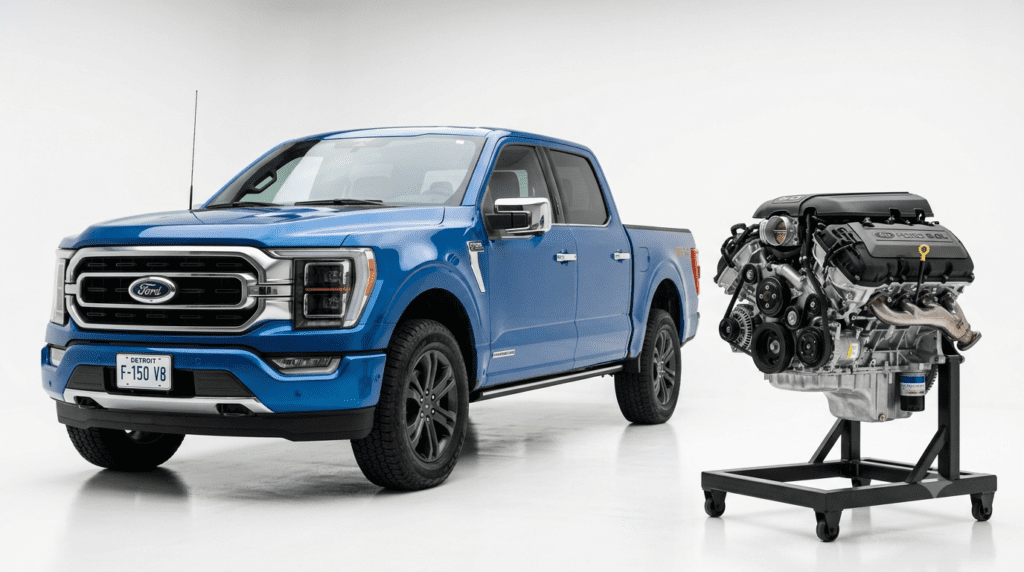
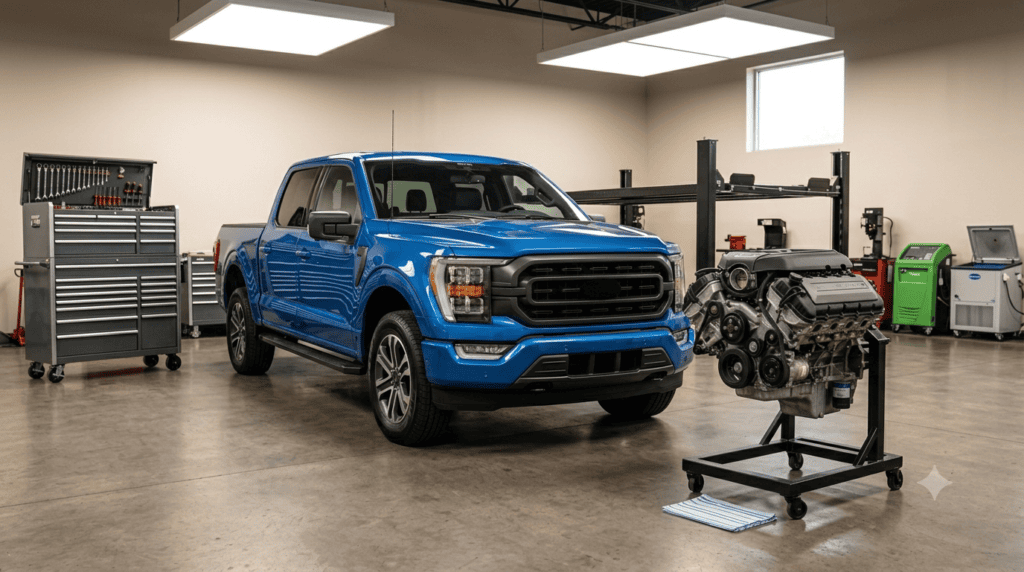
Replacing a failed engine is one of the largest repair decisions a vehicle owner may face. When the rest of the vehicle is still in good condition, replacing the engine can be more practical than purchasing another car or paying for a brand-new crate engine.
Understanding why choose a used engine can help you compare your options more carefully. A quality OEM used engine may provide original factory fitment at a lower overall cost than many new replacement options. However, choosing the correct engine requires more than matching the vehicle’s make, model, and year.
Engine size, VIN information, drivetrain, emissions configuration, production date, and other technical details may affect compatibility. That is why accurate matching and clear communication are essential before an engine is ordered or shipped.
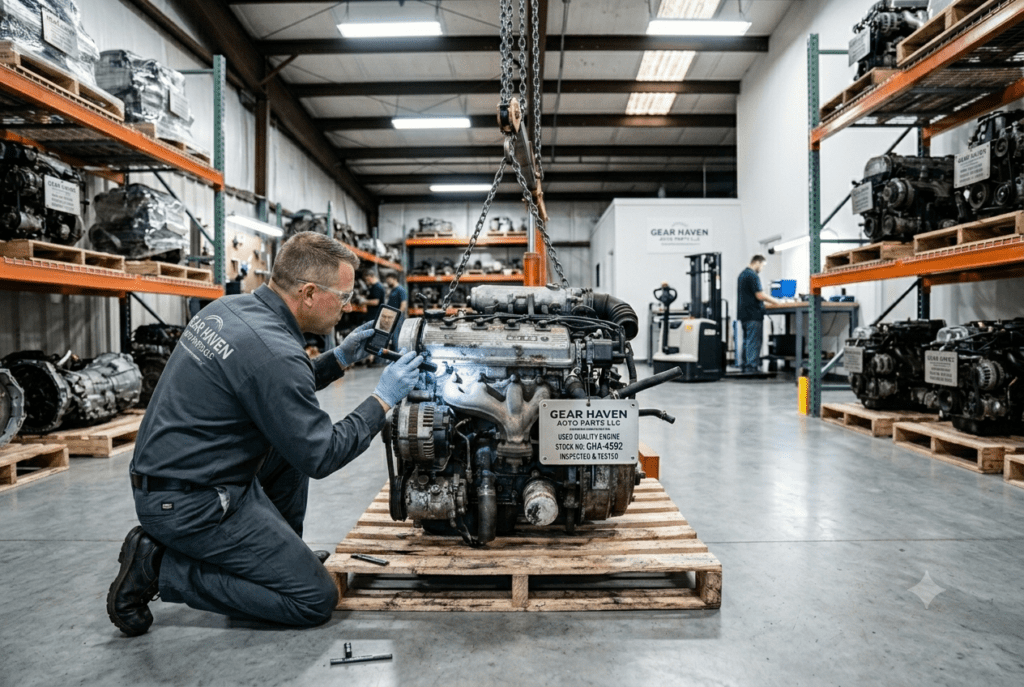
Gear Haven Auto Parts LLC helps customers locate compatible OEM used engines for domestic and imported vehicles through a nationwide supplier network. By collecting detailed vehicle information before beginning the search, the company helps reduce the risk of ordering an incompatible replacement.
Quick Answer: Why Choose a Used Engine?
A used engine may be a practical choice when the vehicle is still worth repairing but the original engine has failed. OEM used engines are built to the original vehicle manufacturer’s specifications and may offer compatible factory fitment at a lower cost than purchasing a new engine. The most important steps are confirming compatibility through the VIN, reviewing mileage and available condition information, understanding what is included, and using a qualified installer.
Benefits of Choosing an OEM Used Engine
An OEM used engine originally came from a vehicle produced by the same manufacturer. Unlike a universal aftermarket component, it was designed around the engineering requirements of a specific vehicle platform.
That original design can provide several practical advantages.
More Affordable Than Many New Replacement Options
A brand-new engine can be expensive, especially after adding labor, fluids, replacement accessories, taxes, towing, and other repair costs.
A used engine may reduce the cost of the primary replacement component. This can make repairing an otherwise dependable vehicle more financially realistic.
The total value of the repair should still be evaluated carefully. Vehicle condition, mileage, body damage, transmission condition, suspension needs, and future maintenance expenses should all be considered before proceeding.
Original Manufacturer Engineering
OEM engines are designed to work with the manufacturer’s original systems. Depending on the application, these systems may include:
- Engine mounts
- Transmission connections
- Cooling components
- Wiring harnesses
- Sensors
- Fuel delivery systems
- Intake and exhaust components
- Emissions equipment
- Engine control modules
Using an OEM replacement does not eliminate the need for compatibility verification. Manufacturers may use multiple engine configurations in the same model year, which means two engines that look similar may not be interchangeable.
Potentially Simpler Installation
A correctly matched OEM used engine may reduce the need for extensive fabrication or modification.
The engine still needs to be inspected and installed by a qualified automotive professional. Certain accessories, sensors, wiring, manifolds, brackets, or other components may need to be transferred from the original engine depending on the replacement assembly and application.
Before installation begins, the repair facility should compare the replacement engine with the original unit and confirm that the required components, mounting locations, connections, and configurations match.
Extending the Useful Life of the Vehicle
An engine failure does not always mean the entire vehicle must be replaced.
If the body, frame, transmission, interior, suspension, and major electrical systems remain serviceable, installing a compatible replacement engine may extend the vehicle’s useful life.
This may be particularly valuable when:
- The vehicle is already paid off.
- The owner is familiar with its repair history.
- Comparable replacement vehicles are expensive.
- The vehicle has been well maintained.
- The owner needs a specific truck, SUV, van, or commercial application.
- The remaining vehicle systems are in acceptable condition.
A repair facility can help determine whether the overall condition of the vehicle supports the investment.
Why VIN Matching Is Important
VIN matching is one of the most important parts of ordering a used engine.
The Vehicle Identification Number provides information that can help identify the vehicle’s original configuration. Suppliers may use the VIN along with engine specifications and additional vehicle details to locate a compatible replacement.
Customers should be prepared to provide:
- Complete 17-character VIN
- Vehicle year
- Make
- Model
- Engine size
- Number of cylinders
- Fuel type
- Drivetrain
- Transmission type
- Turbocharged or naturally aspirated configuration
- Emissions information
- Relevant production-date information
Never assume that every engine from the same make, model, and year will fit.
A manufacturer may offer several engine options during the same model year. Differences can involve displacement, cylinder configuration, emissions systems, sensors, wiring, intake components, transmission pairings, and internal design changes.
Even small differences can create installation problems or prevent the replacement engine from operating correctly.
How to Choose the Right Used Engine
Choosing the right replacement requires both compatibility verification and an understanding of the engine being offered.
Confirm the Exact Engine Configuration
Begin with the VIN and the engine information available from the vehicle, repair facility, or manufacturer label.
Useful details may include:
- Engine displacement
- Cylinder count
- Engine code
- VIN digit associated with the engine
- Drivetrain configuration
- Emissions package
- Production date
- Turbo or non-turbo configuration
The repair facility should participate in the verification process whenever possible. A technician may identify technical requirements that are not obvious from the vehicle description alone.
Ask About Mileage
Mileage is an important consideration, but it should not be the only factor used to evaluate a replacement engine.
Ask what mileage information is available and how it was obtained. Depending on the source, mileage may come from the donor vehicle’s records, odometer, auction information, or supplier documentation.
A lower-mileage engine can be attractive, but installation quality, donor-vehicle history, maintenance, storage, and the condition of supporting systems also affect long-term results.
Ask About the Donor Vehicle
When information is available, ask about the vehicle from which the engine was removed.
Useful questions may include:
- Why was the donor vehicle dismantled?
- Was the vehicle involved in a collision?
- Was the engine exposed to fire or flood damage?
- Was the engine running before removal?
- What visual inspection was performed?
- How was the engine stored after removal?
Not every supplier will have the same level of donor history. Understanding what information is available helps the buyer make a more informed decision.
Understand What Is Included
The term “engine assembly” does not always mean every visible accessory is included or covered.
Depending on the supplier and application, an engine may be sold as a long block or with certain external accessories attached for convenience. Components such as the alternator, starter, air-conditioning compressor, power-steering pump, wiring, sensors, manifolds, turbocharger, and fuel-system parts may have different inclusion or warranty terms.
Before ordering, ask:
- Is the engine sold as a long block or complete assembly?
- Which accessories are included?
- Which accessories are not covered?
- Will components from the original engine need to be transferred?
- Are wiring and electronic modules included?
- Are shipping supports or brackets part of the engine assembly?
Clarifying these details can reduce confusion when the engine reaches the installer.
Review Warranty Options and Conditions
Ask for the available warranty information before completing the purchase.
A warranty may contain requirements involving:
- Professional installation
- Replacement of maintenance items
- Cooling-system inspection
- Proof of installation
- Oil and filter replacement
- Documentation of the repair
- Claim procedures
- Covered components
- Excluded accessories
- Labor coverage or exclusion
- Time and mileage limitations
Read the applicable terms carefully. Do not assume that every attached component is covered or that labor, towing, fluids, diagnostics, rental vehicles, or related expenses are included.
Important Buying Tips
A used engine purchase should be approached as a technical replacement decision rather than a general online purchase.
Work With a Qualified Repair Facility
Before ordering an engine, ask the repair facility to diagnose why the original engine failed.
Replacing the engine without correcting the underlying cause may damage the replacement unit.
For example, engine failure may be connected to:
- Cooling-system problems
- Oil starvation
- Clogged oil passages
- Failed radiator
- Defective water pump
- Contaminated intake system
- Turbocharger failure
- Fuel-system problems
- Electrical faults
- Improper previous repairs
The installer should identify and address contributing problems before the replacement engine is operated.
Compare the Engine Before Installation
The replacement engine should be compared with the original engine before installation.
The technician should verify:
- Mounting points
- Sensor locations
- Wiring connections
- Intake and exhaust configuration
- Oil pan design
- Flexplate or flywheel configuration
- Accessory brackets
- Cooling connections
- Engine code
- Emissions components
Any mismatch should be addressed before significant labor is performed.
Inspect the Shipment Promptly
When the engine arrives, inspect the shipment before accepting or beginning installation.
Look for:
- Visible shipping damage
- Broken mounting points
- Cracked housings
- Damaged sensors
- Missing components
- Fluid leakage
- Punctured packaging
- Incorrect engine configuration
Photograph the packaging and engine from multiple angles. Keep the freight paperwork, invoice, engine identification information, and delivery records.
If there is visible freight damage, note it according to the carrier and supplier procedures before the shipment is moved or installation begins.
Installation Items Worth Considering
Certain maintenance and wear items are easier to replace while the engine is outside the vehicle.
Depending on the application and the installer’s recommendations, these may include:
- Engine oil and filter
- Spark plugs
- Belts
- Radiator and heater hoses
- Thermostat
- Water pump
- Accessible seals and gaskets
- Air filter
- Fuel filter
- Motor mounts
- Timing components
- Rear main seal
- Coolant
- Other manufacturer-recommended service items
Not every item must be replaced in every installation. The technician should inspect the engine and follow the appropriate service requirements for the specific application.
Protecting the Replacement Engine After Installation
The reliability of a used engine depends partly on the quality of the installation and the condition of the vehicle’s supporting systems.
Inspect the Cooling System
Overheating is a major threat to any engine.
The installer should inspect the radiator, cooling fans, thermostat, hoses, water pump, coolant passages, pressure cap, and related components. A restricted or malfunctioning cooling system can damage the replacement engine.
Verify Oil Pressure and Fluid Levels
The technician should use the correct oil, verify oil pressure, check for leaks, and confirm that fluids are circulating properly.
Following the installer’s break-in and initial service recommendations can help identify concerns early.
Address Warning Lights Immediately
A warning light after installation should not be ignored.
Diagnostic trouble codes may indicate a sensor, wiring, emissions, fuel-delivery, timing, or control-system issue. Prompt diagnosis can prevent a smaller problem from becoming a more serious repair.
Follow a Consistent Maintenance Schedule
Regular maintenance remains essential after installation.
This includes:
- Timely oil and filter changes
- Cooling-system inspections
- Correct fluid levels
- Air-filter replacement
- Leak inspections
- Monitoring engine temperature
- Addressing unusual sounds or warning lights
- Following the vehicle manufacturer’s service schedule
Maintenance records should be kept with the engine invoice and installation documentation.
Popular Vehicle Brands
Gear Haven Auto Parts LLC helps source OEM replacement engines for a wide range of domestic and imported vehicles, including:
- Ford
- Chevrolet
- GMC
- RAM
- Jeep
- Toyota
- Honda
- Nissan
- Subaru
- Hyundai
- Kia
- Mazda
- Lexus
- Acura
- Infiniti
Availability depends on the exact vehicle configuration and the engines accessible through the supplier network.
Customers should provide complete vehicle information rather than requesting only a general engine for a make or model.
For example, “Honda Accord engine” may not provide enough information. The model year, VIN, engine size, cylinder count, fuel type, and other specifications may be required to identify the correct option.
Used Engines for Sedans, SUVs, Trucks, and Commercial Vehicles
Different vehicle types create different replacement priorities.
Sedans
Sedan owners often focus on affordability, fuel efficiency, and restoring dependable daily transportation.
SUVs
SUV engines may vary by drivetrain, towing package, trim level, engine size, and production configuration.
Pickup Trucks
Truck buyers should confirm engine size, drivetrain, emissions package, towing application, and transmission compatibility.
Commercial Vehicles
Downtime can be especially expensive for a business vehicle. Accurate matching, clear shipping coordination, and installer readiness are important when the vehicle supports business operations.
Business buyers should coordinate the engine purchase with the repair facility so the shop has the labor schedule, required accessories, fluids, and supporting parts ready.
Nationwide Used-Engine Shipping
Gear Haven Auto Parts LLC works with suppliers across the United States to help locate compatible engines and arrange shipping.
Shipping a used engine requires freight coordination rather than standard parcel delivery. Before placing an order, confirm:
- Commercial or residential delivery location
- Whether a loading dock is available
- Whether liftgate service is needed
- Repair-shop receiving hours
- Contact information for the recipient
- Freight inspection requirements
- Storage plans after delivery
Shipping directly to the repair facility may simplify receiving and reduce additional transportation. The customer should confirm that the shop accepts freight deliveries and has the equipment required to unload the engine.
Used Engine Versus Used Transmission
An engine and transmission perform different functions.
The engine creates power through combustion. The transmission transfers that power through the drivetrain and manages gear ratios.
Before ordering a replacement, obtain a professional diagnosis. Symptoms such as poor acceleration, unusual noises, warning lights, slipping, overheating, or loss of power may involve the engine, transmission, electronics, fuel system, or another component.
Customers who also need drivetrain repairs can browse available used transmissions.
How to Request a Used Engine Quote
To begin the search, provide complete vehicle information through the online request form.
Include:
- Year
- Make
- Model
- VIN
- Engine size
- Number of cylinders
- Drivetrain
- Transmission type
- Delivery ZIP code
- Repair-shop information, if applicable
- Any known engine code or configuration details
The more accurate the information, the easier it is to search for a compatible replacement.
Use the Part Request Form to submit your vehicle information.
You can also:
- Browse Used Engines
- Browse Used Transmissions
- Contact Gear Haven Auto Parts LLC
Frequently Asked Questions
Is a used engine worth buying?
A quality OEM used engine may be a cost-effective replacement when it is matched correctly and installed professionally. The decision should also consider the overall condition and value of the vehicle.
Why is VIN matching important?
VIN matching helps identify the vehicle’s original configuration. The VIN, engine size, drivetrain, emissions package, and other details may be needed because engines from the same make, model, and year are not always interchangeable.
Is mileage the most important factor?
Mileage matters, but it is not the only consideration. Donor history, condition, compatibility, storage, installation quality, supporting systems, and maintenance also affect the replacement.
What should I ask before buying a used engine?
Ask about mileage, donor-vehicle information, inspection details, included accessories, warranty options, compatibility requirements, freight procedures, and installation conditions.
Should I replace maintenance items during installation?
The installer may recommend replacing accessible wear items such as belts, hoses, spark plugs, filters, seals, the thermostat, or water pump. The appropriate items depend on the engine and vehicle.
Can I install the engine myself?
Engine replacement requires technical knowledge, specialized tools, lifting equipment, diagnostic equipment, and safe working conditions. Professional installation may also be required under applicable warranty terms.
What should I do when the engine arrives?
Inspect the packaging and engine promptly. Photograph the shipment, look for visible damage, verify the engine configuration, and follow the applicable freight and supplier procedures before installation.
Do you ship used engines nationwide?
Gear Haven Auto Parts LLC helps customers locate engines through a nationwide supplier network and coordinate delivery across the United States. Availability and freight arrangements depend on the engine and delivery location.
Can I also purchase a used transmission?
Yes. Customers can explore used transmissions when the vehicle also requires transmission or drivetrain repairs.
How do I request a quote?
Submit the complete vehicle information and VIN through the Part Request Form.
Conclusion
Understanding why choose a used engine begins with evaluating both affordability and compatibility.
A quality OEM used engine may offer a practical alternative to purchasing a new engine or replacing the entire vehicle. However, successful replacement depends on confirming the exact configuration, understanding what is included, reviewing available warranty terms, using a qualified installer, and correcting any issue that contributed to the original engine failure.
Gear Haven Auto Parts LLC helps customers search for compatible OEM used engines for domestic and imported vehicles through a nationwide supplier network.
To begin, browse available used-engine services or submit your VIN and vehicle details through the Part Request Form.